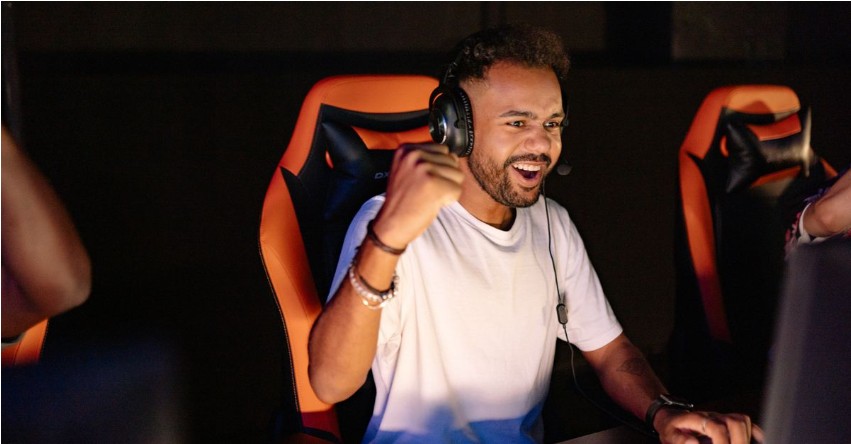
Why do digital spaces in online gaming feel so human, even when every character and setting is made of code?
The answer starts with the way people use those spaces. Players bring memory, humor, rivalry, patience, and curiosity into every match, chat, and shared objective. That mix turns a technical system into a social one, where actions carry meaning because other people are watching, responding, and remembering.
Online gaming also feels personal because it gives people a chance to show skill in public. A smart move, a fast reaction, or a calm recovery after a mistake can say a lot without a single long conversation. That is why a digital setting can feel full of personality even when the visual design is simple.
Contents
Why Players Feel Seen In Digital Spaces
The first reason these spaces feel human is that they reflect real behavior.
Identity Shows Up Through Play
Players make choices that reveal style as much as strategy. Some act cautiously, some rush in, and some support others from the background. Those patterns create a readable identity, so other players begin to recognize a person behind the avatar. That recognition builds connection faster than static profile text ever could.
Small details matter too. A repeated greeting, a signature move, or a steady habit in tense moments can make a player memorable. The digital setting becomes a place where personality is not stated directly but expressed through action.
Games work because everyone accepts the same rules, and that shared structure makes interaction easier. A win feels fair, a loss feels clear, and a close finish gives everyone the same reference point. That common ground helps strangers understand each other quickly, even if they never meet outside the screen.
People also read intention through timing. A helpful move at the right moment can mean more than a long explanation because it shows attention. This is where a space like slot88 fits naturally into discussion about online behavior, since even simple labels can become part of how players identify and remember a space.
How Emotion Gives Digital Worlds Weight
Emotion is what turns activity into memory.
Loss And Victory Feel Personal
Online gaming keeps score in public, so emotion becomes visible right away. A close loss can sting because effort was on display, while a win can feel rewarding because it happened in front of others. That public setting gives even routine outcomes a stronger emotional shape.
People also attach meaning to the effort behind the result. A hard-fought match, a last-minute save, or a team recovery after chaos can stay memorable because the process felt shared. The digital setting becomes a stage for real human reactions, not just numbers.
Routine Builds Familiarity
Repeated play creates comfort through recognition. Players learn familiar patterns, expect certain responses, and notice how others tend to act under pressure. That growing familiarity makes the space feel lived in, because it starts to hold habits rather than isolated sessions.
This is also why online gaming communities often feel warmer over time. People remember names, roles, and decisions, which gives each session a sense of continuity. Another example is slot88, where a repeated reference can become part of how players talk about a shared setting.
Why Human Connection Stays Central
The strongest digital worlds are the ones that make room for other people.
Conversation Extends The Experience
Chat, voice, and quick messages add context to every action. A joke after a tense moment or a brief apology after a mistake changes how the event is remembered. Those tiny exchanges make the space feel social instead of mechanical.
Even silence can matter. Pauses, coordination, and timing all show that players are reading each other closely. That kind of attention is a deeply human trait, and online gaming gives it a clear place to show up.
Final Thoughts
Visual design attracts attention, but human connection keeps interest alive. Players return because they want familiar teammates, recognizable opponents, and moments that feel shared rather than isolated. The digital setting matters most when it becomes a place where people can leave a mark on each other. That is the real appeal behind online gaming’s digital spaces. They are built from code, but they stay memorable because people fill them with memory, emotion, and social meaning.