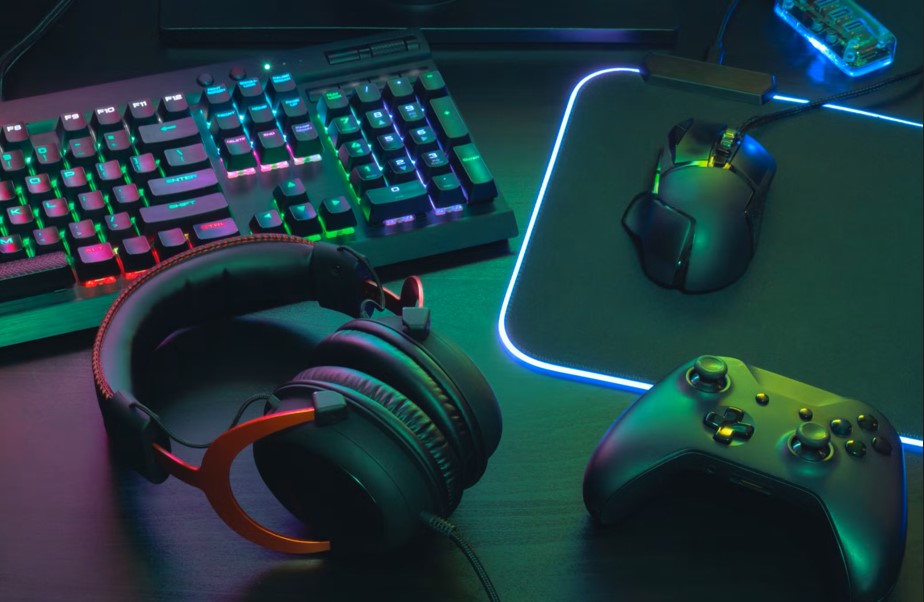
Cross-platform play has transformed the hoki123.net world, making it easier for friends, families, and global communities to connect, compete, and enjoy games together. Whether you’re playing on a PC, console, or mobile device, the ability to play with others, regardless of the platform, has revolutionized the gaming experience. But why does cross-platform play matter, and how has it impacted the gaming industry? Let’s dive into the benefits and significance of this feature for gamers.
1. Breaking Down Barriers
One of the biggest challenges for gamers in the past was the limitation of platform-specific play. If your friends were playing on a different console, there was no way to join them unless you also owned that same system. Cross-platform play eliminates these barriers, allowing players to connect no matter what device they’re using.
For example, Fortnite lets players on PlayStation, Xbox, Switch, and PC play together in the same matches, uniting a massive community that was once fragmented. This connectivity has made gaming more inclusive and accessible, breaking down the walls that previously separated different gaming platforms.
Why It Wins:
- Encourages a more inclusive and connected gaming community.
- Removes the need for players to purchase multiple devices to game with friends.
- Provides a larger player base, reducing wait times for matchmaking.
2. Enhancing Multiplayer Experience
Cross-platform play significantly enhances the multiplayer gaming experience. When players can join games regardless of platform, it means more people are online, which leads to faster matchmaking and more dynamic gameplay. The larger player pool improves the overall quality of matches, as players have more opportunities to compete with people of varying skill levels and playstyles.
For games like Apex Legends or Rocket League, which thrive on team-based strategies, cross-platform play allows players to form more diverse teams and experiment with different gameplay dynamics. This opens up more tactical possibilities and makes multiplayer matches feel more exciting and unpredictable.
Why It Wins:
- Reduces waiting times and improves matchmaking.
- Creates a more diverse and competitive environment.
- Fosters global teamwork and dynamic strategies.
3. Uniting Friends Across Devices
The appeal of gaming is largely about social interaction. Cross-platform play makes it easier for friends to enjoy their favorite games together, even if they own different gaming systems. Whether you’re on a PlayStation, Xbox, or PC, you can still join the same match and team up in games like Minecraft, Call of Duty, or Fortnite.
This feature is especially valuable for groups of friends who don’t want to be separated by device preference. Rather than feeling left out due to hardware limitations, players can seamlessly join each other’s games, making the experience more inclusive and enjoyable.
Why It Wins:
- Lets friends play together no matter what system they own.
- Makes gaming a more social experience, encouraging group play.
- Enhances the fun and bonding experience with others.
4. Increasing Game Longevity
For developers, cross-platform play can increase the lifespan of a game. When more people are able to play together, it creates a more active community, which leads to longer engagement. A larger, more unified player base means developers can continue to release updates, events, and new content that caters to a broader audience.
Games like Fortnite and Rocket League have been able to thrive for years due to their cross-platform functionality. With a unified player pool, these games have maintained their relevance, attracting new players and keeping the community engaged long-term.
Why It Wins:
- Expands the player base, ensuring the game stays active and relevant.
- Promotes consistent updates and ongoing support from developers.
- Helps games stay competitive in the marketplace.
5. Reducing Fragmentation
Before cross-platform play became a norm, the gaming community was often fragmented, with players on different consoles unable to interact. This fragmentation not only created frustration among friends but also limited the overall competitiveness of a game. With the rise of cross-platform play, this issue is largely a thing of the past.
By uniting different platforms, developers can focus on improving the game rather than dealing with the technical and social challenges of maintaining separate communities. This reduction in fragmentation leads to a more cohesive and vibrant gaming ecosystem, where players are able to experience more content, engage with a wider audience, and benefit from more inclusive gaming environments.
Why It Wins:
- Decreases platform-specific fragmentation, improving accessibility.
- Makes the gaming community more cohesive and unified.
- Ensures a better experience for both players and developers.
6. Cross-Platform Progression
An exciting development in cross-platform play is cross-platform progression. This feature allows players to carry their progress, skins, and achievements across different platforms. For example, if you started playing Fortnite on PlayStation and later switched to PC, you could pick up right where you left off, with all your previous purchases, progress, and stats intact.
This makes cross-platform play even more appealing, as it eliminates the need for players to “start over” when switching devices. For dedicated gamers who want to play on different platforms depending on their situation, cross-platform progression ensures a seamless experience.
Why It Wins:
- Provides flexibility for players to switch between platforms without losing progress.
- Enhances the player experience by ensuring continuity.
- Makes it easier for players to enjoy games on their preferred device.
7. Improving Game Design
Cross-platform play also encourages developers to design slot depo 1000 in ways that cater to different platforms. Since players can use various devices to play together, developers must ensure that the game is accessible and enjoyable across platforms. This has led to innovations in control schemes, user interfaces, and gameplay mechanics.
For instance, games that support cross-platform play often feature custom controls that adapt to different devices. The balance between controller-based and mouse/keyboard gameplay requires designers to carefully consider the needs of both types of players, leading to more polished and universally enjoyable game mechanics.
Why It Wins:
- Encourages innovation in game design to make games more accessible.
- Promotes fair play by ensuring all platforms are well-balanced.
- Enhances player satisfaction with intuitive controls and gameplay.
8. Expanding Competitive Gaming
Cross-platform play is also having a significant impact on competitive gaming and esports. By allowing players on different platforms to compete against each other, the competitive scene becomes more inclusive and dynamic. This has made esports tournaments more exciting, as players from various platforms can showcase their skills in a unified environment.
Games like Rocket League and Fortnite have seen their competitive scenes flourish due to cross-platform play, offering tournaments with mixed-platform participation. This not only increases the level of competition but also provides a more diverse set of players, leading to a higher caliber of matches and a greater fanbase.
Why It Wins:
- Makes competitive gaming more inclusive and diverse.
- Increases the quality and excitement of esports tournaments.
- Expands the reach of competitive games, attracting larger audiences.
Conclusion: The Future of Cross-Platform Play
Cross-platform play is no longer just a luxury—it’s becoming a standard feature for many of the most popular online games. Its ability to unite players across different devices and enhance the gaming experience has made it a vital part of modern gaming culture. By promoting inclusivity, reducing fragmentation, and encouraging innovation in game design, cross-platform play has revolutionized how we experience online games.
As more developers embrace this feature, we can expect it to continue shaping the future of gaming. Whether it’s for casual gaming, competitive esports, or socializing with friends, cross-platform play ensures that gaming remains an accessible, dynamic, and fun experience for everyone, regardless of their platform of choice.