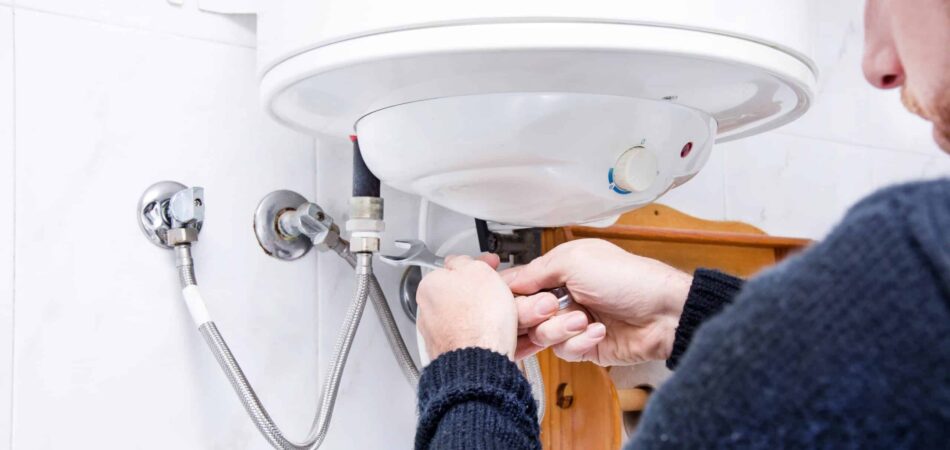
Water heater lifespan is one of those things most homeowners only think about when something goes wrong. But understanding how long a unit should last, and what shortens that lifespan, puts you in a position to make smarter decisions before a failure happens. Working with a reliable plumber for a water heater in Tacoma from Spartan Plumbing Inc. for regular maintenance is one of the most practical ways to get the full value out of your unit, whatever type you have.
The short answer on lifespan is this: traditional tank water heaters typically last 8 to 12 years, while tankless units can run 15 to 20 years or longer with proper care. But in Tacoma, several local factors affect where your unit lands within those ranges.
What Factors Affect Water Heater Lifespan in Tacoma?
Tacoma’s water and climate conditions create a specific set of challenges that homeowners elsewhere don’t always face to the same degree.
Mineral Content in the Water
Tacoma’s water contains minerals that accelerate sediment accumulation inside tank-style heaters. As this sediment builds up at the bottom of the tank, the heating element has to work through it to heat the water above, increasing energy consumption and wear on the unit over time. Without regular flushing, sediment can harden and become difficult to clear, compressing the unit’s effective lifespan well below average.
The Damp Pacific Northwest Climate
High moisture levels in the Tacoma area accelerate external corrosion on pipes and fittings connected to the water heater. Crawl spaces and utility rooms in older homes often hold more humidity than ideal, which speeds up wear on the tank exterior and connected components. This is especially true in homes throughout older neighborhoods where ventilation hasn’t been updated.
Age and Condition of the Home’s Plumbing
In Tacoma homes built before 1980, aging galvanized or cast iron pipes can introduce additional sediment and rust particles into the water heater over time, adding internal stress beyond what the unit would otherwise face. Homes with corroded supply pipes that haven’t been addressed put disproportionate wear on connected appliances.
Maintenance History
This one matters more than most homeowners expect. A water heater that gets annual servicing, regular tank flushing, and periodic anode rod checks will consistently outperform a neglected unit of the same age. Spartan Plumbing’s own FAQ notes that hard water and organic metals within a plumbing system can deteriorate a tank faster, and that annual maintenance can extend the unit’s life.
What Is the Average Lifespan by Water Heater Type?
Different types of water heaters come with different life expectancy ranges:
- Traditional tank water heaters (gas or electric): 8 to 12 years under typical conditions, potentially shorter without maintenance in Tacoma’s mineral-heavy water.
- Tankless water heaters: 15 to 20 years or more with proper descaling and servicing. Because they don’t store water, they don’t face the same tank corrosion issues.
- Heat pump water heaters: Comparable to tankless in longevity, typically 10 to 15 years, with the added benefit of much lower energy consumption.
The upfront cost difference between tank and tankless units is real, but the longer lifespan and lower operating costs of tankless systems often make them more cost-effective over a full ownership cycle.
How Can Tacoma Homeowners Extend the Life of a Water Heater?
Several maintenance steps make a measurable difference in how long a water heater lasts:
- Annual tank flushing: Removes accumulated sediment before it hardens and causes damage. A professional flush also gives a plumber the opportunity to spot early signs of trouble while the unit is accessible.
- Anode rod inspection and replacement: The anode rod inside the tank is designed to corrode in place of the tank walls. Checking and replacing it every 3 to 5 years is one of the most effective ways to prevent internal tank corrosion.
- Temperature setting: The recommended setting for a hot water tank is 120 to 125 degrees. Higher settings accelerate wear on internal components and increase the risk of scalding.
- Insulating pipes near the unit: Particularly relevant in Tacoma’s cooler months, pipe insulation reduces heat loss and prevents the heater from cycling on more frequently than necessary.
- Monitoring water pressure: Excessively high water pressure stresses the tank and internal components. A plumber can install a pressure-reducing valve if your home’s incoming water pressure runs high.
When Should a Water Heater Be Proactively Replaced?
Waiting until a water heater fails is almost always more expensive than planning a replacement on your terms. When a unit reaches 10 years old and starts showing any warning signs such as unusual noises, inconsistent temperatures, or rust-colored water, a replacement becomes worth planning sooner rather than later.
Emergency replacements of water heaters carried out after a failure often come with higher service costs, and any water damage from a tank leak adds remediation expenses on top of the unit cost itself. Scheduling a proactive replacement during normal business hours with time to compare options avoids all of that pressure.
Tacoma homeowners with units approaching or past the 10-year mark are well-served by having a licensed plumber assess the current condition and project a realistic remaining lifespan. That one conversation can prevent a much more expensive and stressful situation later on.
Spartan Plumbing Inc.
760 107th St S, Tacoma, WA 98444
(253) 306-0309