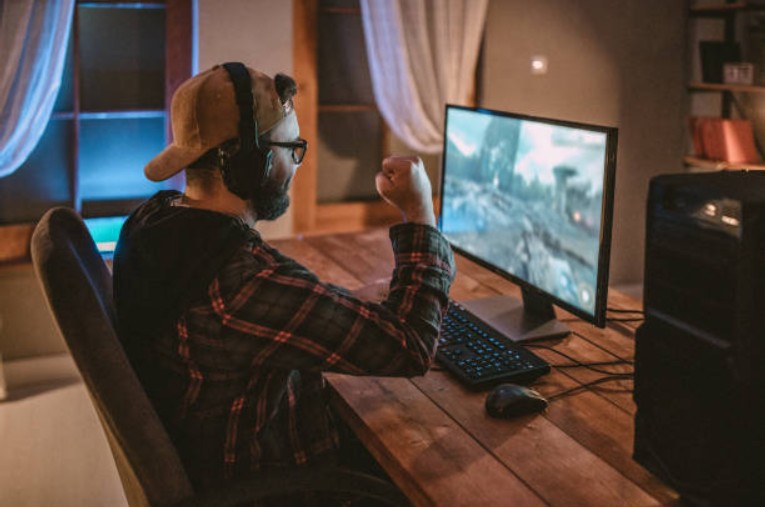
Online gaming was once treated as a hobby for a small group of dedicated players. Today, it competes with films, television, music, and social media for people’s attention.
From quick mobile games to large multiplayer worlds, online gaming has become an accessible, social, and highly varied form of everyday entertainment.
Easier Access Has Expanded the Audience
One of the biggest reasons for the growth of online gaming is accessibility, meaning how easy something is to reach and use. Players no longer need an expensive computer or a specialised console to get started.
Many online games can now be played on smartphones, tablets, laptops, smart televisions, and standard web browsers. This means people can enjoy games at home, during a commute, or while taking a short break.
Mobile Gaming Removed Traditional Barriers
Mobile gaming has introduced millions of casual users to online entertainment. These players may not describe themselves as gamers, but they still enjoy puzzle games, strategy titles, card games, racing games, and multiplayer experiences.
The convenience is important. A mobile slot gacor game can usually be opened within seconds, played for a few minutes, and closed without requiring a major time commitment.
Cloud gaming has also improved availability. Cloud gaming allows a game to run on remote servers while the player controls it through an internet-connected device. In simple terms, the device does not always need powerful hardware because much of the technical work happens elsewhere.
Online Games Have Become Social Spaces
Gaming is no longer only about completing levels or earning points. Many games now function as virtual communities where people communicate, cooperate, compete, and share experiences.
This social dimension, meaning the part connected to human interaction, has helped online gaming appeal to a much wider audience.
Friends who live in different cities or countries can meet inside the same game. They may work together in a team, explore a virtual environment, or take part in friendly competition.
Voice chat, messaging tools, guilds, clans, and community events make these experiences feel more personal. For some players, an online gaming session is similar to meeting friends for a film night or a group activity.
Gaming communities also continue outside the game itself. Players watch livestreams, join discussion groups, follow tournaments, and share tips through social platforms. This creates an ecosystem, meaning a connected network of people, services, and activities around each popular title.
The Variety of Games Attracts Different Interests
Online slot 888 gaming is not a single type of entertainment. It includes thousands of experiences designed for different ages, interests, skill levels, and schedules.
Some people enjoy fast competitive matches. Others prefer relaxing simulation games, story-driven adventures, sports titles, online casino-style games, or creative building platforms.
Casual and Serious Players Can Both Find Suitable Options
The diversity, meaning the presence of many different choices, allows players to select experiences that match their mood.
A casual player may want a simple game that lasts five minutes. A more committed player may prefer a complex online world that develops over several months. Families may choose cooperative games, while competitive players may look for ranked matches and tournaments.
This flexibility has made gaming easier to include in everyday routines. It does not always require several hours of uninterrupted attention.
Better Technology Has Improved the Experience
Technical progress has made online games smoother, more attractive, and more responsive. Faster internet connections reduce delays, while improved graphics make virtual environments more detailed.
Cross-platform play has also become increasingly important. This feature allows people using different devices to play together. A console player, for example, may be able to join friends using a computer or mobile device.
Personalisation Keeps Players Interested
Modern platforms often use personalisation, meaning the adjustment of content based on individual preferences. They may recommend games according to a player’s previous choices, preferred genres, or typical session length.
Many games also allow users to customise characters, controls, difficulty settings, and visual features. These choices help players create an experience that feels more comfortable and relevant.
When choosing an online gaming service, users should compare its game selection, device compatibility, security features, payment options, customer support, and responsible-play tools. A platform should be easy to understand rather than relying on confusing menus or unclear conditions.
Streaming and Esports Have Increased Visibility
Online gaming has become more visible because people do not only play games. They also watch them.
Livestreaming platforms allow viewers to follow skilled players, entertainers, reviewers, and competitive teams. This has turned gaming into a spectator activity, meaning entertainment that people enjoy by watching others participate.
Esports has strengthened this trend. Professional competitions now feature organised teams, commentators, sponsors, large audiences, and substantial prize pools. Although not every player follows competitive gaming, esports has helped present gaming as a structured and legitimate entertainment industry.
Gaming Now Influences Wider Popular Culture
Characters, music, visual styles, and stories from online games frequently appear in films, fashion, advertising, and social media trends. Popular musicians may perform inside virtual worlds, while major brands may create digital events or themed items.
This convergence, meaning the coming together of different industries, shows how gaming has moved beyond its original boundaries. It is now connected to entertainment, technology, communication, retail, and digital culture.
Responsible Choices Improve the Experience
Mainstream popularity does not remove the need for sensible gaming habits. Players should understand how much time and money they are willing to spend before starting.
Useful tools may include spending limits, session reminders, parental controls, account security settings, and self-exclusion features. Reading the platform’s rules and payment terms can also prevent unnecessary confusion.
A strong gaming experience should feel enjoyable rather than pressured. Players should be able to stop comfortably, switch activities, and treat gaming as one part of a balanced entertainment routine.
Conclusion
Online gaming has become mainstream because it is accessible, social, varied, and supported by better technology. It gives casual users and experienced players a wide range of ways to relax, compete, communicate, and explore digital worlds.
Anyone interested in online gaming should begin by choosing a reputable platform, checking its security and support features, and selecting games that match their interests and available time. Explore carefully, set clear limits, and focus on experiences that provide genuine entertainment rather than unnecessary pressure.