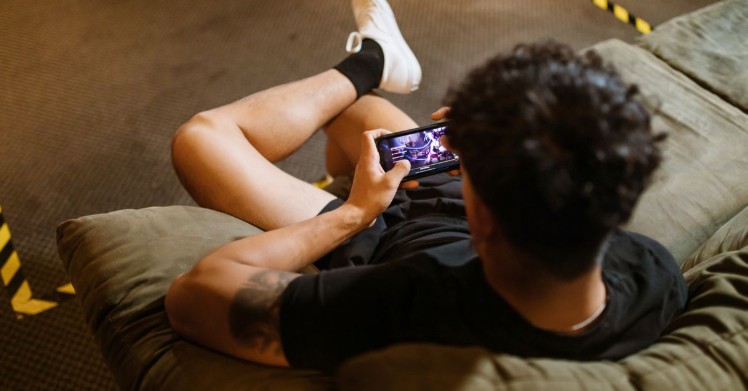
Why are more people choosing quick gaming sessions on their phones instead of longer play on other devices? The answer says a lot about how digital entertainment habits are shifting. Mobile gaming fits into small pockets of time, travels easily, and matches the way people already use their phones for everything else.
That shift matters because gaming no longer sits apart from other digital habits. It now blends with social media, video, messaging, and streaming in a single device that people carry all day. As a result, mobile gaming is not just growing on its own. It is shaping what audiences expect from entertainment as a whole.
One reason for that change is simple convenience. A phone is always close by, so games can fill a few minutes while waiting in line, riding transit, or taking a break at home. That short-session style has trained people to expect entertainment that starts fast, ends cleanly, and does not demand a long setup.
Contents
- Why Mobile Play Fits Daily Life
- Short Sessions Feel Natural
- Phones Keep Entertainment Close
- How Mobile Gaming Changes Expectations
- Simple Starts Matter More
- Social Features Keep Users Returning
- The Bigger Impact On Digital Entertainment
- Casual Use Is Now A Major Habit
- Interactive Content Feels More Attractive
- What This Means For The Future
Why Mobile Play Fits Daily Life
Mobile gaming is changing habits because it matches the pace of modern routines.
Short Sessions Feel Natural
People do not always want a long, planned entertainment block. A mobile game can be opened for two minutes or twenty minutes, which gives users more control over their time. That flexibility makes gaming feel less like a scheduled activity and more like a natural part of the day.
Phones Keep Entertainment Close
Since phones already serve as cameras, message hubs, and video screens, gaming becomes part of the same device habit. That closeness lowers the barrier to play. If entertainment is already in your hand, it is easier to switch between a video, a chat, and a game without changing devices.
That convenience is one reason some users also look for fast account access when they return to a game or gaming-related service. A search like scbet88 login shows how people now expect quick entry and simple access across digital entertainment platforms.
How Mobile Gaming Changes Expectations
Mobile play has also changed what people expect from entertainment products.
Simple Starts Matter More
Many users now prefer apps and games that get to the point quickly. Long tutorials, heavy menus, and complicated setup steps can turn people away. Because mobile games often open fast and explain themselves in seconds, they have pushed the wider entertainment space toward clearer, faster user experiences.
Social Features Keep Users Returning
Mobile gaming often includes chat, rankings, rewards, and shared challenges. Those features make play feel social without requiring everyone to be online at the same time. That style has influenced other digital media too, where comments, reactions, and shared progress now matter more than passive viewing alone.
Another reason mobile gaming is important is that it reaches a wider age range than many people expect. Casual play attracts people who may not think of themselves as regular players. Once those users get comfortable, they often spend more time in other digital formats, from live streams to interactive apps.
The Bigger Impact On Digital Entertainment
Mobile gaming is helping set the pace for the rest of digital entertainment.
Casual Use Is Now A Major Habit
Entertainment used to mean sitting down for one activity at a time. Now people move quickly from one screen habit to another. Mobile gaming supports that behavior because it works in short bursts and can fit between other tasks. That has helped normalize lighter, more flexible media use across the board.
Interactive Content Feels More Attractive
People often want more than passive viewing. Mobile games offer choices, progress, and feedback, which can make entertainment feel more personal. That expectation is spreading into streaming extras, app-based events, and other digital formats that invite users to take part instead of just watch.
There is also a clear connection between mobile gaming and attention habits. Fast pacing, bright visuals, and quick rewards can keep users active, but they also train people to expect immediate feedback from digital content. That pressure is now visible in many parts of online entertainment, where speed and clarity often matter as much as depth.
What This Means For The Future
Mobile gaming will likely keep shaping digital entertainment because it fits the way people already live. As phones keep improving, users will expect faster access, smoother play, and more personal experiences across all forms of media.
The bigger lesson is that entertainment is becoming more flexible. People want content that fits into real schedules, not the other way around. Mobile gaming has helped make that expectation normal, and that influence is showing up far beyond games alone.