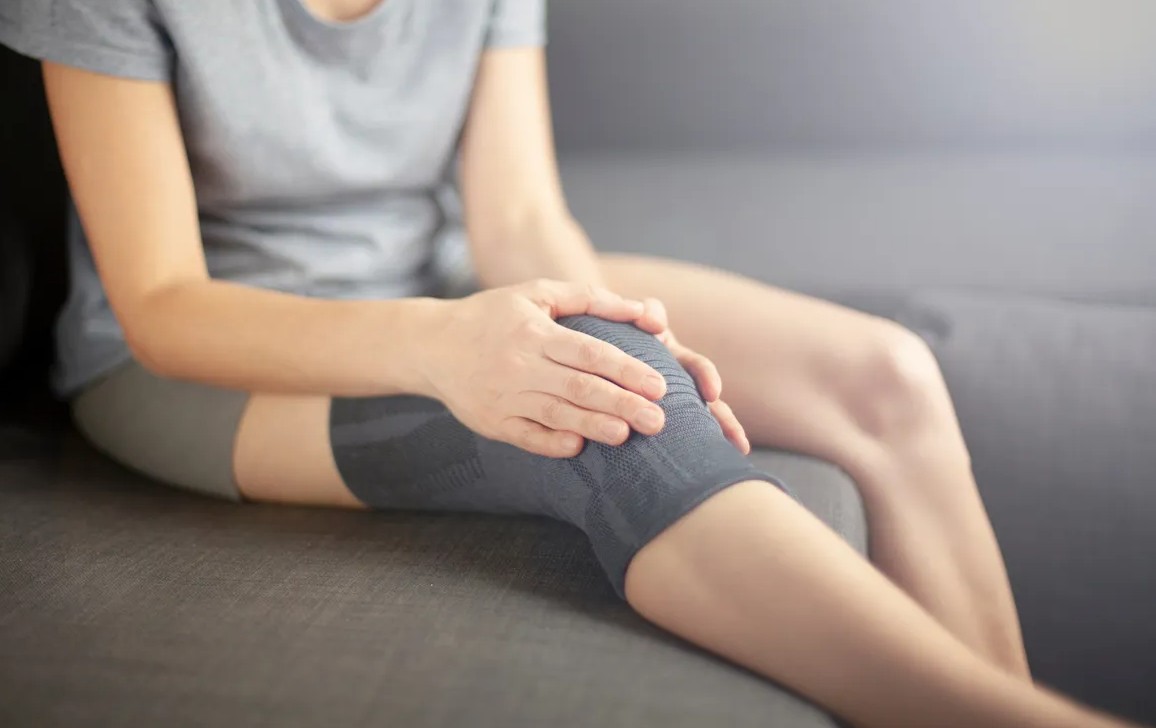
Knee pain is one of the most common health problems that people are dealing with worldwide. From athletes to elderly people with arthritis, it is affecting millions even on a daily basis. However, choosing the wrong knee cap can worsen pain, reduce movement or delay recovery.
Properly selected knee braces and sleeves can reduce pain, improve balance, support movement and increase confidence when you do routine based activities. However, not every knee cap works for every problem in an effective manner. Compression sleeves are useful for mild pain and swelling. Hinged braces are better for ligament injuries and instability. The effectiveness also depends on fit, material, comfort and duration of use.
This blog explains how to choose the right knee cap according to specific conditions such as arthritis, ligament injury, sports strain, swelling, obesity, post-surgery recovery and patella pain. It also explains material types, fitting methods and how to choose the best knee cap as per your condition.
Contents
- Knee Pain and its Causes
- How to Manage Knee Pain Daily?
- What Is a Knee Cap?
- Do Knee Caps Really Work?
- Common Athletic Uses
- Weightlifting
- Running
- Basketball and Volleyball
- How to Choose According to Your Condition
- 1. Knee Cap for Osteoarthritis
- Features to Look For:
- Features to Look For:
- Features to Look For:
- Features to Look For:
- 5. Knee Cap for Swelling
- Features to Look For:
- Features to Look For:
- 7. Knee Cap for Sprains
- Features to Look For:
- Best Materials and Size for Knee Caps
- Neoprene Material
- Too Tight Knee Cap
- Too Loose Knee Cap
- Conclusion
Knee Pain and its Causes
The knee carries body weight. It helps in walking, running, climbing stairs, bending and almost every daily movement. Because of this constant pressure, knee problems are extremely common nowadays.
People experience knee pain because of:
- Osteoarthritis
- Sports injuries
- Ligament tears
- Obesity
- Weak muscles
- Aging
- Incorrect posture
- Overuse during gym workouts
- Post-surgery recovery
How to Manage Knee Pain Daily?
If you want to manage pain and improve movement then you can wear knee caps or knee braces. Choose the right one as per your needs:
- Compression sleeves
- Open patella knee caps
- Hinged braces
- Patella straps
- Wrap-around braces
- Unloader braces
- Sports braces
What Is a Knee Cap?
A knee cap is a wearable orthopedic support aid which helps with the following:
- Reduce pain
- Improve stability
- Provide compression
- Control movement
- Reduce swelling
- Improve blood circulation
Do Knee Caps Really Work?
Although knee supports provide many benefits. They are not a complete replacement for medical treatment or physical therapy. Wearing knee support for knee pain alone cannot permanently cure serious knee conditions.
Incorrect usage may also create problems. Excessively tight supports can restrict blood flow. If you are overdependent on rigid knee braces then it may weaken surrounding muscles over the period of time.
Therefore, knee supports should ideally be used alongside exercise, weight management as well as medical guidance.
They can help, especially in all these conditions:
- Osteoarthritis
- Mild instability
- Swelling
- Sports recovery
Best results happen when combined with:
- Exercise
- Weight management
- Physiotherapy
- Proper footwear
Medical imaging may be required. Do not self-treat if you have:
- Severe swelling
- Locking knee
- Sudden instability
- Fever with knee pain
- Major injury
- Inability to walk
Common Athletic Uses
Weightlifting
A knee cap provides warmth and stability during heavy squats and deadlifts.
Running
Runners use knee sleeves to reduce repetitive stress as well as improve proprioception.
Basketball and Volleyball
Jump-intensive sports create high patellar tendon loads. A knee cap may reduce discomfort and support movement control.
How to Choose According to Your Condition
1. Knee Cap for Osteoarthritis
Osteoarthritis happens when cartilage wears down. Symptoms include stiffness, pain while walking, grinding sensation and swelling.
Best options to Consider: Compression sleeve for mild arthritis and unloader brace for severe arthritis. Make sure not to use extremely tight sleeves as well as cheap non-breathable material.
Features to Look For:
- Medium compression
- Comfortable fabric
- Breathability
- Anti-slip grip
- Lightweight design
- Knee Cap for Sports Injuries
Sports injuries often involve ACL tears, meniscus injuries and ligament sprains. Athletes need stability, flexibility and sweat resistance.
Best options to Consider: Hinged braces and sports stabilization braces.
Features to Look For:
- Side hinges
- Adjustable straps
- Shock absorption
- Non-slip silicone grip
- Knee Cap for Gym Workouts
People lifting heavy weights often use knee sleeves. But excessive dependence may weaken natural muscle support if exercises are incorrect. It is best for squats, deadlifts and lunges. The knee cap for the gym provides warmth, confidence and mild support.
Recommended Compression: Moderate to high compression works well. Neoprene fabric of 5mm-7mm is generally recommended if you do heavy lifting.
Features to Look For:
- Breathability
- Anti-slip grip
- Lightweight design
- Knee Cap for Walking
Knee pain while walking is common in elderly people, overweight individuals and patients with arthritis.
Best options to Consider: Soft compression sleeves and open patella supports.
Features to Look For:
- Lightweight
- Comfortable for long wear
- Sweat-free fabric
- Good circulation support
5. Knee Cap for Swelling
Swelling usually needs compression. Avoid very tight braces that restrict proper blood circulation.
Best options to Consider: Compression sleeves and cold compression braces.
Features to Look For:
- Graduated compression
- Breathable material
- Moisture control
- Knee Cap After Surgery
Post-surgical knees require controlled movement. These should only be selected under medical supervision. These are usually prescribed after ACL surgery, meniscus surgery and knee replacement.
Best options to Consider: Hinged medical braces and immobilizer braces.
Features to Look For:
- Side hinges
- Adjustable straps
- Shock absorption
- Non-slip silicone grip
7. Knee Cap for Sprains
Knee sprains are one of the leading causes of chronic knee pain globally. Knee caps are widely recommended for pain management . It helps improve balance, reduce pain perception, enhance confidence during movement and improve daily activity performance.
Features to Look For:
- Sensory stimulation
- Thermal support
- Improved proprioception
- Psychological confidence effects
Best Materials and Size for Knee Caps
Neoprene Material
Benefits: Warmth, compression and flexibility
Best for: Arthritis and gym use
Nylon-Spandex Material
Benefits: Lightweight, soft and breathable
Best for: Daily use and walking
A wrong-sized knee cap for men and women is one of the biggest mistakes.
Too Tight Knee Cap
Can cause:
- Reduced blood flow
- Numbness
- Skin irritation
Too Loose Knee Cap
Can cause:
- Slipping
- Poor support
- Ineffective compression
Conclusion
Choosing the best knee cap is about understanding your condition, activity level, pain severity and support needs.
Different conditions need different solutions:
- For mild pain you can get compression sleeve
- For arthritis you can get unloader or supportive sleeve
- For sports injuries you can get hinged brace
- For patella pain you can get open patella brace
- For tendon pain you can get patella strap
The ideal knee cap should:
- Fit properly
- Feel comfortable
- Provide correct compression
- Match your activity level
- Support recovery without restricting movement
The use of knee braces and sleeves assist in reducing pain as well as improving function in many knee conditions. However, long-term knee health still depends on exercise, weight control, physiotherapy and proper medical guidance.