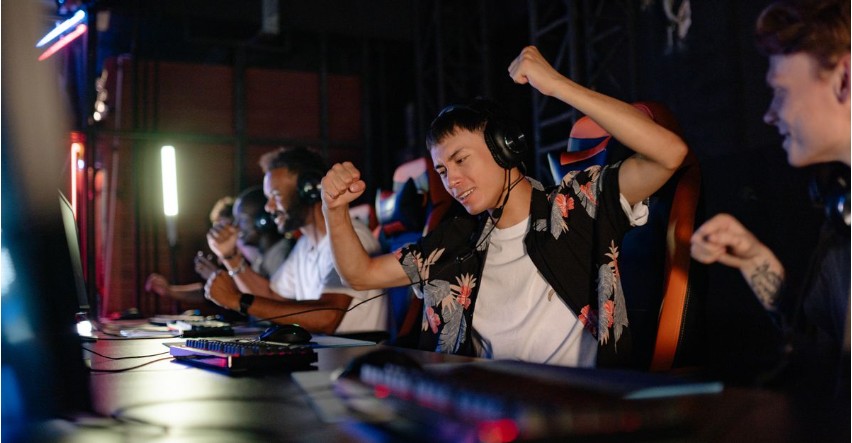
Have you ever noticed how online gaming can feel less like a single pastime and more like a place where entertainment keeps moving around you?
That feeling comes from how modern online games mix play, social interaction, live updates, and shared culture into one connected experience. You are not just starting a match or finishing a level. You are stepping into something that keeps changing, reacting, and giving people new reasons to return.
What makes it interesting is that this network feeling is not accidental. It grows from constant activity, player participation, and the way games now borrow ideas from streaming, sports, social platforms, and digital events.
Contents
- Why It Feels Alive
- Games Now Mix Media And Social Space
- More Than Play Sessions
- Shared Moments Matter
- Updates Keep The Experience In Motion
- Fresh Content Changes Habits
- Communities React In Real Time
- Players Are Part Of The Programming
- Why The Format Keeps Growing
- Entertainment No Longer Has Fixed Edges
- Connection Builds Staying Appeal
Why It Feels Alive
It feels alive because something is always happening.
Older games often felt static once you learned the rules and content. Online gaming feels different because it continues after you log off. New strategies spread, community jokes circulate, seasonal events appear, and players shape the mood from day to day. A game can feel busy even when you are not actively playing it.
That sense of motion is similar to how people talk about trends in entertainment. One week players are discussing a new mode, the next they are comparing tactics, and after that they are reacting to a surprise update. Even unusual search behavior, including phrases like slot gacor, shows how online spaces collect many types of attention around play.
Games Now Mix Media And Social Space
Online games now act like a blend of media channel and meeting place.
More Than Play Sessions
People do not always log in just to compete. They show up to talk, watch friends, hang out in voice chat, or check what changed since yesterday. That makes the experience feel closer to an active entertainment network than a fixed product. The social layer keeps the game active between matches.
Live events, limited-time challenges, and community reactions create moments that feel collective. When many players experience the same surprise at roughly the same time, it creates a rhythm similar to live television or sports. That shared timing matters because it gives online gaming a sense of public attention.
Updates Keep The Experience In Motion
Regular change keeps the pace moving.
Fresh Content Changes Habits
When maps, modes, balance changes, or seasonal content arrive, players adjust how they play and what they talk about. The game becomes a moving target. That keeps discussion active and gives people a reason to check back, even if they took a short break.
Communities React In Real Time
One update can shift strategy overnight. Forums, chats, and clips fill up with reactions, experiments, and debate. That immediate feedback loop makes online gaming feel responsive. It is entertainment that does not sit still for long, because the audience also helps shape the conversation around it.
Players Are Part Of The Programming
The audience is not separate from the action.
In many forms of entertainment, people watch from the outside. Online gaming works differently because players create part of what others enjoy. A skilled match, a funny mistake, a fan-made challenge, or a dramatic comeback can become the highlight people talk about later. In that sense, the community helps produce the ongoing show.
This is also why niche terms and search habits travel so quickly through gaming spaces. A phrase such as slot gacor can appear in conversations not because it defines gaming as a whole, but because online communities constantly remix language, trends, and attention.
Why The Format Keeps Growing
The structure itself supports constant activity.
Entertainment No Longer Has Fixed Edges
Online gaming does not begin and end with one session. It stretches across play, chat, clips, updates, commentary, and community memory. That gives it a network quality. People can enter through different doors and still feel part of the same ongoing stream of activity.
Connection Builds Staying Appeal
Games that support interaction tend to hold attention because they offer more than one reason to return. Competition attracts some people, creativity attracts others, and social connection keeps many people around. When all of that works together, online gaming feels less like a standalone hobby and more like a living entertainment system that keeps refreshing itself.
That is the simple reason online gaming feels so active today. It combines live participation, constant updates, and shared culture in a format that keeps moving even when one player steps away. For many people, that ongoing motion is what makes it feel alive.