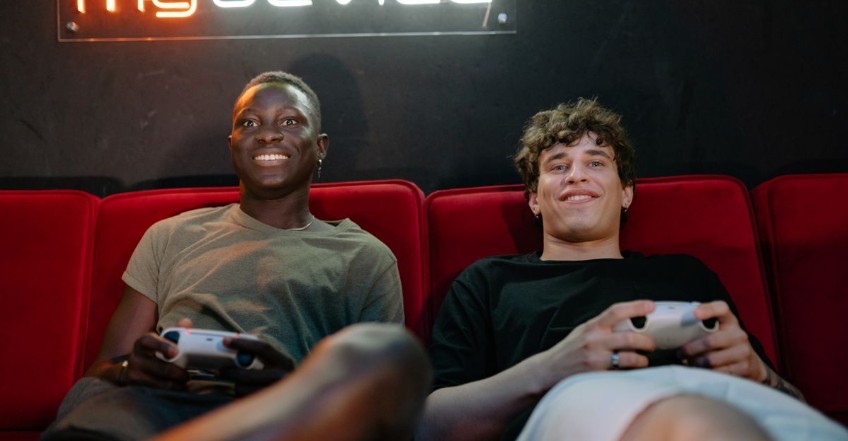
Have you ever logged into a game and ended up spending more time talking with people than chasing the next objective? That shift says a lot about what online gaming has become. For many players, it is no longer just about scores, wins, or finishing a match.
Online gaming grew into a social space because it gave people an easy way to share time, talk in real time, and build routines together. What started as simple multiplayer features slowly turned into full social systems where conversation, teamwork, and community matter as much as play itself.
That change also gave gaming a global reach. A player can team up with someone across an ocean, learn a new style of play, and still feel like part of the same group. The screen may separate people physically, but the experience often feels surprisingly close and personal.
Contents
- Why Playing Together Changed Everything
- Shared Goals Create Fast Connections
- Voice And Text Chat Made Play More Personal
- How Communities Form Around Games
- Regular Play Turns Strangers Into Familiar Faces
- Games Became Social Hangouts
- How Global Reach Became Normal
- Players Meet Across Borders
- Cultural Exchange Happens Through Play
- Why Social Features Matter So Much
- Identity And Expression Keep People Invested
- Groups And Events Build Belonging
- What Online Gaming Means Now
- It Blends Play With Real Relationships
- Its Global Reach Keeps Growing
Why Playing Together Changed Everything
At the center of online gaming’s social growth is the simple appeal of doing something together.
People tend to bond quickly when they share a task. In online games, that task might be defending a base, solving a puzzle, or coordinating a strategy under pressure. Working toward the same goal gives strangers a reason to talk, listen, and trust each other in a short amount of time.
Voice And Text Chat Made Play More Personal
Once games added easier ways to communicate, the experience changed fast. Text chat let players trade advice and react in the moment, while voice chat brought tone, humor, and personality into every session. A quick callout or a laugh after a close match can make an interaction feel real, not anonymous.
How Communities Form Around Games
Beyond the match itself, online games started giving people reasons to come back for each other.
Regular Play Turns Strangers Into Familiar Faces
When people log in around the same time each day, they begin to recognize the same names and voices. That routine creates a sense of place. Even in a competitive setting, familiar players can make a game feel welcoming and stable.
Games Became Social Hangouts
Many online spaces now function like digital meeting spots. Some people join to compete, but others join to chat, relax, or spend time with friends after school or work. Even formats built around chance, including a simple slot style activity, can become social when players react together and share the moment.
How Global Reach Became Normal
The internet made distance matter less, and online games turned that shift into a daily habit.
Players Meet Across Borders
Online play removes many of the limits that once kept gaming local. A person in one country can join a team with players from several others in seconds. That kind of access changes expectations. Instead of playing only with nearby friends, people grow used to meeting others from different places, backgrounds, and time zones.
Cultural Exchange Happens Through Play
Gaming also creates small but meaningful cultural exchanges. Players hear different accents, pick up slang, learn new approaches to teamwork, and get a better sense of how others communicate. These moments are informal, but they help make online spaces feel broader and more connected.
Why Social Features Matter So Much
As online gaming expanded, built-in social tools became part of the main experience, not an extra feature.
Identity And Expression Keep People Invested
Profiles, avatars, and custom items let players show personality. That matters in social spaces because identity helps people feel seen. When players can express themselves, they often feel more attached to the community around the game.
Groups And Events Build Belonging
Guilds, teams, and seasonal events give players a reason to return together. These structures support long-term interaction instead of one-off matches. In some cases, even casual formats like a digital slot activity become more social when tied to group chat, shared reactions, or friendly competition among regular players.
What Online Gaming Means Now
Today, online gaming is part entertainment and part social routine.
It Blends Play With Real Relationships
For a lot of people, online games are where friendships are maintained. Players celebrate wins, joke through losses, and check in on each other’s lives between matches. The social part is not separate from the game anymore. It is built into the reason many people show up.
Its Global Reach Keeps Growing
As internet access and communication tools improve, online gaming continues connecting people across long distances with very little effort. That is why it has become such a strong social experience. It gives people something fun to do together, but more importantly, it gives them a place to connect, talk, and belong.