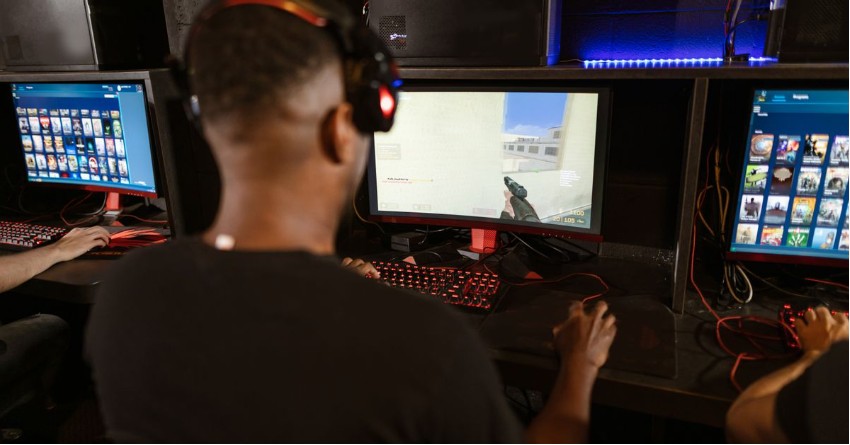
Have you ever noticed that playing online now feels less like sitting alone with a screen and more like joining a shared activity? That shift is one of the biggest reasons online gaming has become such a strong part of modern entertainment.
Years ago, play often meant reacting to a system built by developers and staying inside its limits. Online gaming changed that by turning players into active participants who shape matches, communities, and even the pace of the experience. The result is a form of play that feels more social, more responsive, and more personal.
What makes this interesting is that the change is not only about technology. It is also about behavior. People are no longer just consuming a game. They are talking, organizing, teaching, competing, and creating moments with others in real time.
Contents
- Play Is Now A Shared Social Activity
- From Solo Sessions To Group Experiences
- Communication Changes The Meaning Of Play
- Players Help Shape The Experience
- Every Match Feels Different
- Communities Add Their Own Culture
- Skill Growth Feels More Public And More Meaningful
- Feedback Comes From Real People
- Participation Builds Confidence
- Online Gaming Reflects A Broader Change In Media
- People Expect Interaction, Not Just Content
- Participation Is The Point
One big change is that online gaming connects play to other people almost instantly.
From Solo Sessions To Group Experiences
In many online games, other players are part of the experience from the start. You are not just facing computer-controlled challenges. You are reacting to teammates, rivals, and strangers who all make choices that affect what happens next. That turns each session into something less predictable and more interactive.
This social layer changes motivation too. People often return not only for the mechanics but for the shared moments. A close win, a funny mistake, or a smart team plan can become the reason a match is memorable. Play becomes participation because your actions matter to other people, not just to the system.
Communication Changes The Meaning Of Play
Chat tools, voice features, and quick in-game signals make coordination part of the fun. Players explain strategies, react on the spot, and learn from each other. Even when someone browses spaces tied to gaming culture, a short reference like gol can show how online play often sits inside larger networks of conversation and shared habits.
That means gaming is not isolated entertainment anymore. It often works like a live social event where people contribute through talk, timing, and teamwork.
Players Help Shape The Experience
Another reason participation matters is that players influence what a session becomes.
Every Match Feels Different
Online games rarely feel static because human behavior adds variation. One team may play carefully, another aggressively. One group may cooperate smoothly, while another improvises. That human input creates fresh situations again and again, making players co-authors of the moment instead of passive users.
This is a major shift from older ideas of play. Instead of following a fixed path, players constantly adjust to each other. Their decisions create tension, humor, setbacks, and surprise. The experience is shaped live, not fully scripted in advance.
Communities Add Their Own Culture
Participation also grows outside the match itself. Players share advice, create inside jokes, develop tactics, and set informal norms. A game can end, but the discussion around it keeps going. That ongoing activity helps build a sense of belonging, which is one reason online gaming can hold attention for so long without feeling repetitive.
Skill Growth Feels More Public And More Meaningful
Online play also changes how improvement feels.
Feedback Comes From Real People
When you play against others, progress becomes easier to notice. Better timing, smarter decisions, and stronger teamwork often lead to visible results. That kind of feedback feels immediate because it happens in a live setting with real responses from others.
People often watch replays, discuss tactics, or compare different play styles after a match. In some corners of gaming conversation, even a passing mention such as togel123 can appear as part of the broader online chatter that surrounds play, results, and player behavior.
Participation Builds Confidence
As players improve, they often move from reacting to contributing. They call strategies, support newer players, or take on leadership roles in team settings. That shift matters because it turns gaming into more than simple entertainment. It becomes a space where communication, decision-making, and cooperation are practiced in a very direct way.
For many people, that sense of contribution is the real appeal. It feels good to know your timing, planning, or support helped a group succeed.
Online Gaming Reflects A Broader Change In Media
The rise of participation in gaming also matches a bigger pattern in digital life.
People Expect Interaction, Not Just Content
Across many forms of media, people now expect to respond, comment, join, and shape what they use. Online gaming fits that expectation naturally. It does not ask players to sit back quietly. It invites them to act, react, and influence outcomes from moment to moment.
That is why online gaming feels different from older forms of play. It mixes entertainment with conversation, performance, and community. Instead of delivering the same experience to everyone, it creates a space where each person helps produce what happens.
Participation Is The Point
The biggest change is simple. Online gaming is no longer just about playing a game. It is about being part of something active and shared. Players do not just consume the experience. They help create it through skill, communication, and social connection.
That is why online gaming has changed play so deeply. It turns a private pastime into a living activity where participation is not an extra feature. It is the core of the experience.